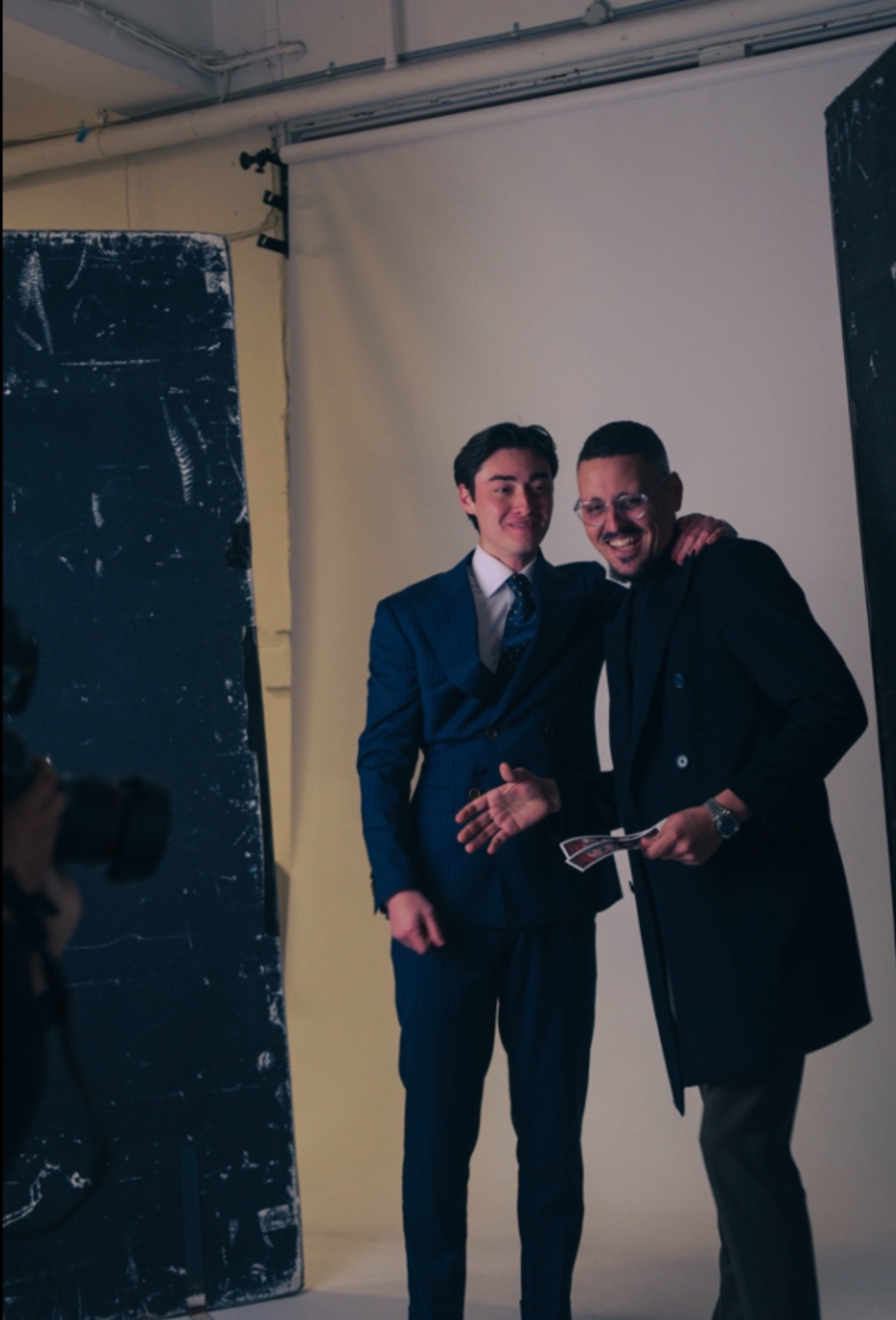
Joey
Model → Audience → Authority → Offer
Went from folding clothes at Ralph Lauren to modelling for them inside 12 months, and now coaches other models to do the same.


One model. Folding clothes at Ralph Lauren, hoping to be seen. Twelve months later he was modelling for them, internationally. That one change is where Dreamcore started.
As Dreamcore Management, we managed over 100 models and content creators. We got good at it. But managing talent was never the destination, it was proof of a bigger idea: the thing standing between a creative and a real income was never talent. It was infrastructure. Dreamcore University is that idea, systemised, so a creative doesn't need us in the room to win.

Adrian Dieguez
Door to door at seventeen. A hundred no's a day. Three years before it paid. I learned exactly how people decide to trust and buy long before I built a business around anyone's talent, including my own.
I'm the founder of Dreamcore, and I didn't come up through the creative industry, I came up through sales. I've always been a creative, at sixteen I wanted to act, and it's something I still dabble in to this day. But back then I had no idea how to turn something I loved into something that paid, so it stayed a hobby. At seventeen I started knocking on doors instead, and spent the next ten years running my own face-to-face sales business. The hardest school there is.
That taught me the one thing most talented people never learn: how to turn something people want into something they actually pay for. I used it to build Dreamcore, which went from nothing to almost a million dollars in its first year, developing 100+ creatives across four countries. Along the way the real pattern became obvious. The people who win aren't the most talented, they're the easiest to understand, trust and buy from. Dreamcore is how I install that into other people's businesses, so they end up owning it, not depending on me.
As featured in
"The economy is shifting: people invest in creators they trust."
"Content creators attending Fashion Week are not diluting the essence of fashion, they are amplifying it."
"In an era where digital presence defines engagement, creators bring fashion to global audiences that might never sit front-row."
"They translate the artistry of designers into relatable stories, making fashion democratic."
"This shift doesn't diminish Fashion Week's purpose, it amplifies its reach."
Adrian Dieguez, Founder, Dreamcore
Read the full feature on the Daily Mail
Three beliefs hold the whole thing up. Not advice, not motivation, just what actually moves a creative from overlooked to booked.
This is the part people get wrong. The gap almost never opens up because one of them got better at the work.
Creator A
Creator B
Creator A is working just as hard. The problem is that every month starts from zero, because nothing they did last month is still standing. Creator B kept the height they earned.
It was never the talent. It's whether the market can understand you, trust you and pay you. Three things fix that, in this order, and we install them with you.
The market knows what you're for.
A stranger can categorise you in about five seconds, or they move on. Most people are not unclear about themselves. They are unclear on the page.
You're safe to book.
Nobody is betting their campaign on a maybe. Proof is what lets someone say yes without having to defend the decision.
Paying you is easy.
If the next step isn't obvious, interest dies quietly and you never find out it was there.
That's the whole method. Identity, then proof, then an offer, then a system that repeats it. Advice won't get you there. Someone has to actually build those four things around your work, and that's what we do with you.
This is the part that convinced us the pattern was real. In almost every case, the work was already good enough. It was the positioning that was costing them the year.
Before
Applying to agencies, hearing nothing back
After
Signed, and booking
The portfolio barely changed. What changed was that a casting director could tell what they were for in five seconds.
Before
Posting constantly, not earning from any of it
After
Paid work, on repeat
Same face, same camera, same feed. The page finally said something a buyer could act on.
Before
Good at the work, invisible next to worse operators
After
Booked out, and priced properly
Nothing about the craft improved. The framing around it did.
Joey
Model → Audience → Authority → Offer
Went from folding clothes at Ralph Lauren to modelling for them inside 12 months, and now coaches other models to do the same.
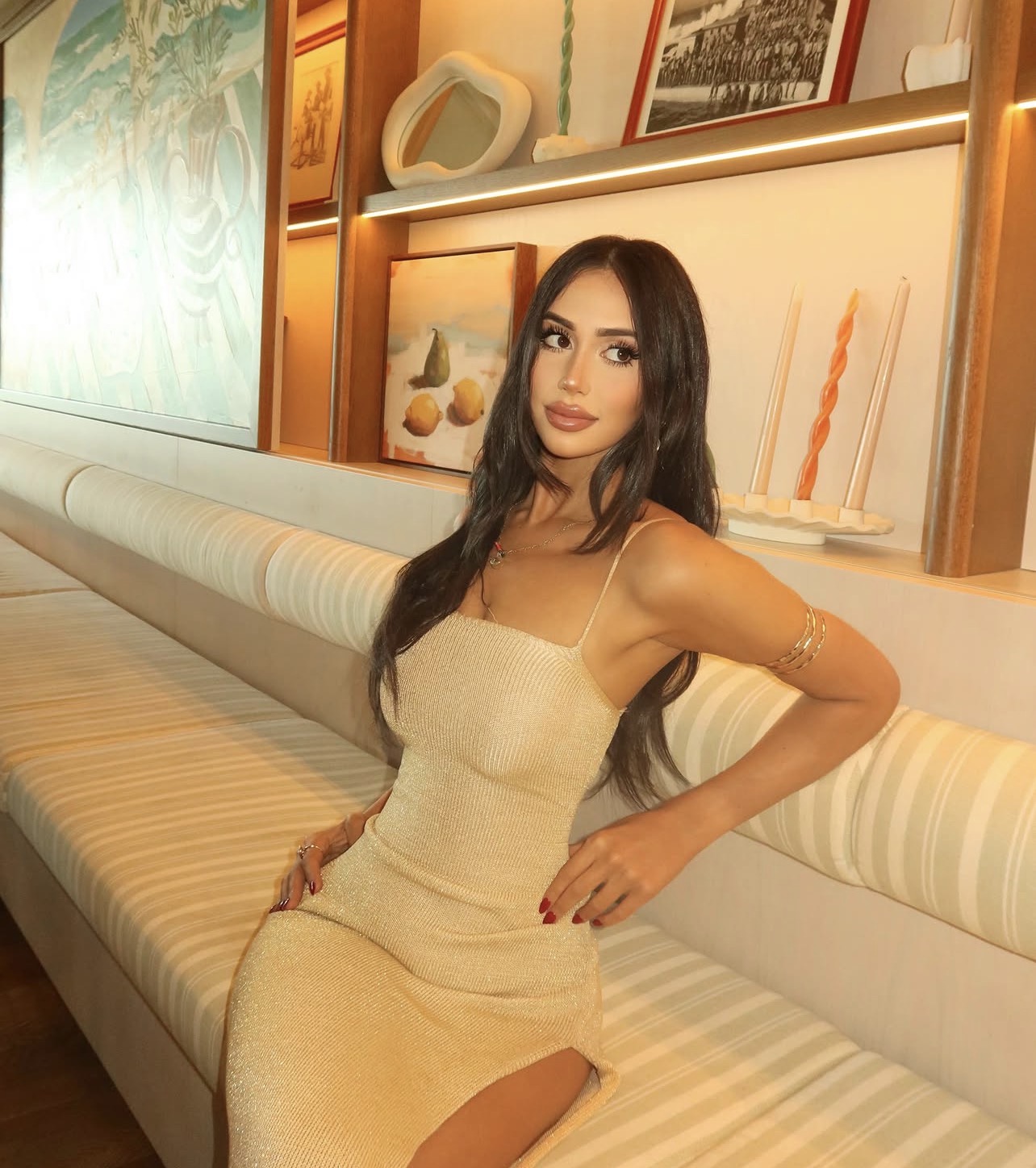
Tiana
Aesthetic → Audience → Product → Education
Went from 1,300 followers and a dream of shooting for Fashion Nova to actually doing it, with 26k followers to match.
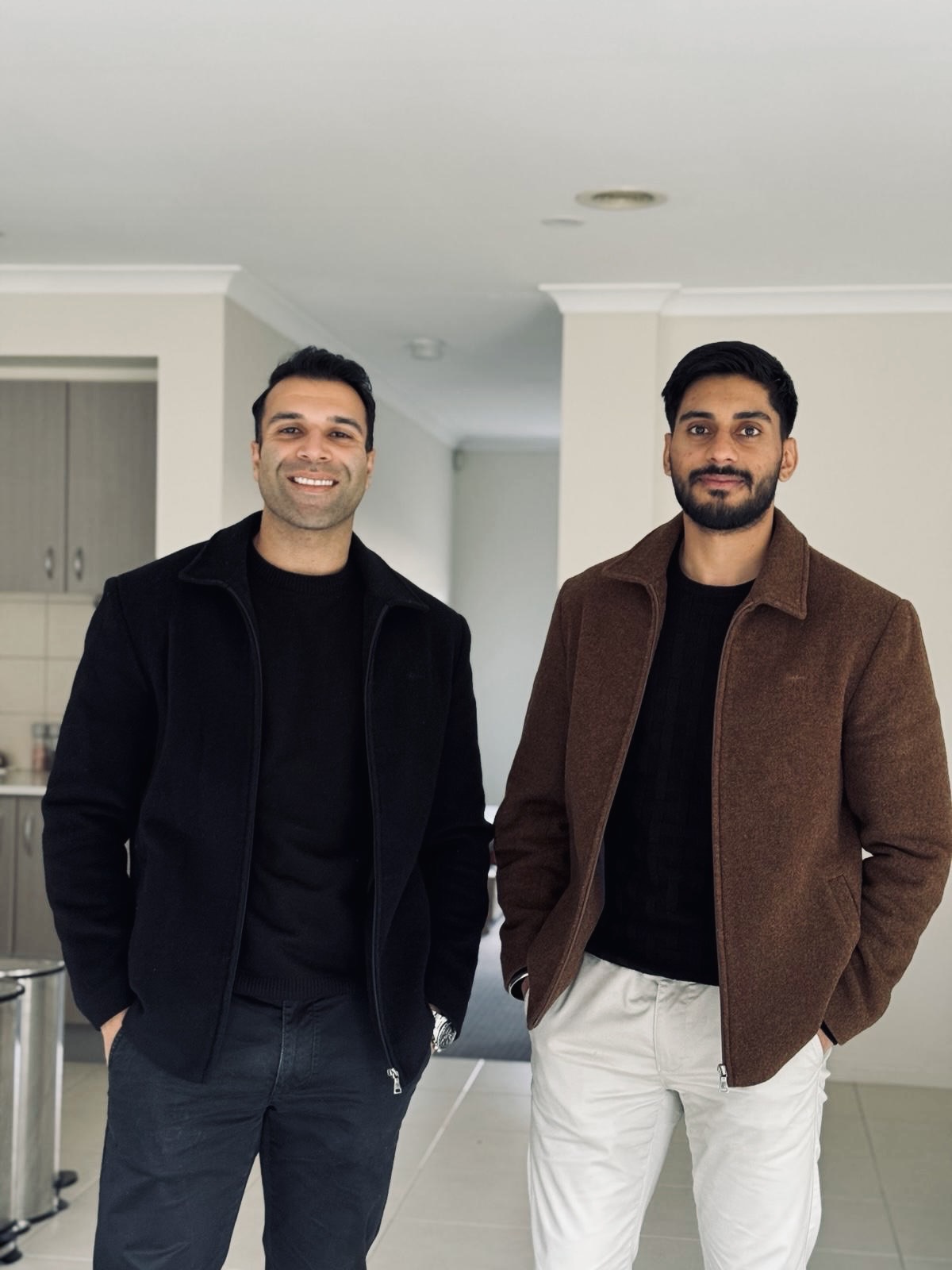
Harry & Jay
Business → Identity → Trust → Launch
Already business owners. They built identity-led brands that could carry attention and trust before their product ever launched.
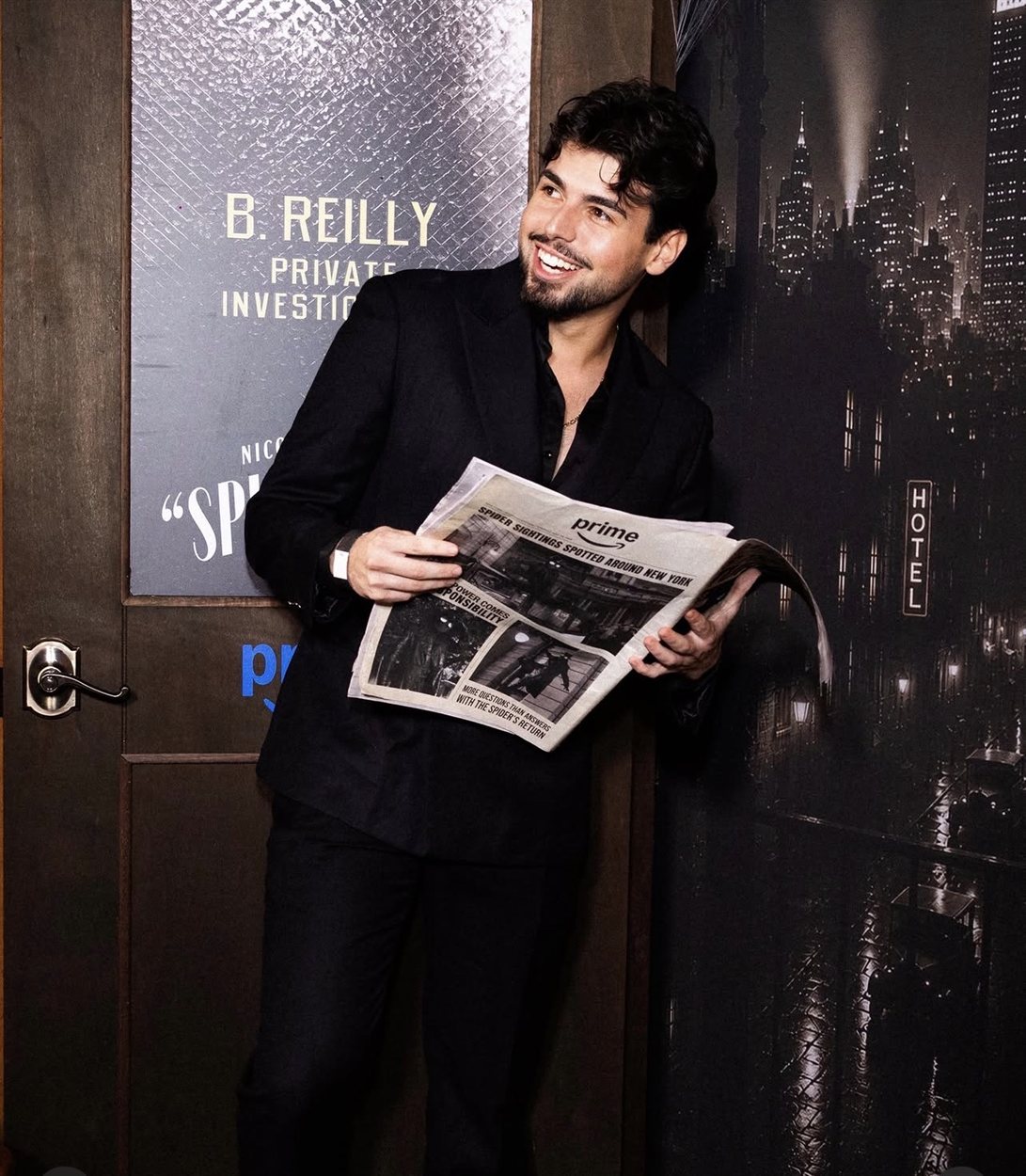
Michael
Content → Growth → Brand → Platform
16k to 30k followers off a single post, 40k+ since, and now turning that attention into a media platform of his own.
From someone just starting out to someone already moving, the mission is to help 10,000 creatives turn what they love into income, on their own terms. Not by making them more talented. By building the business around what they already do.
See where you'd start→